
Sideways glances……

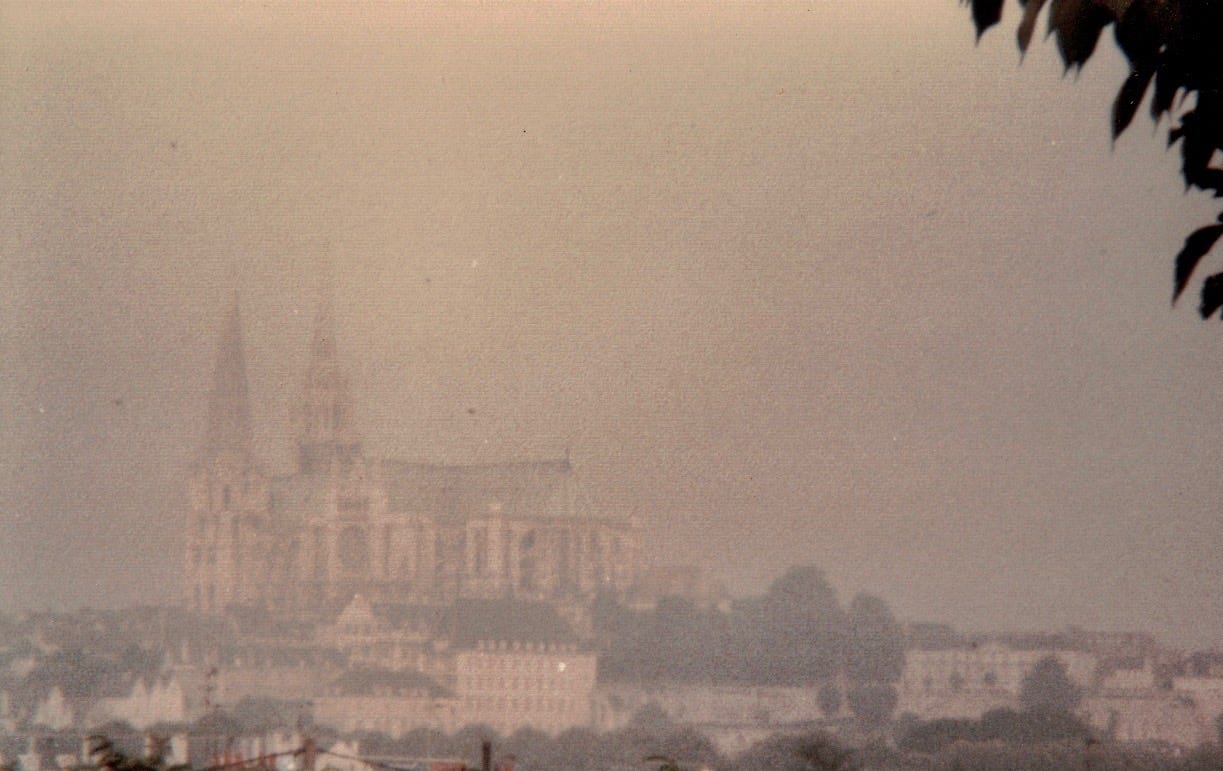
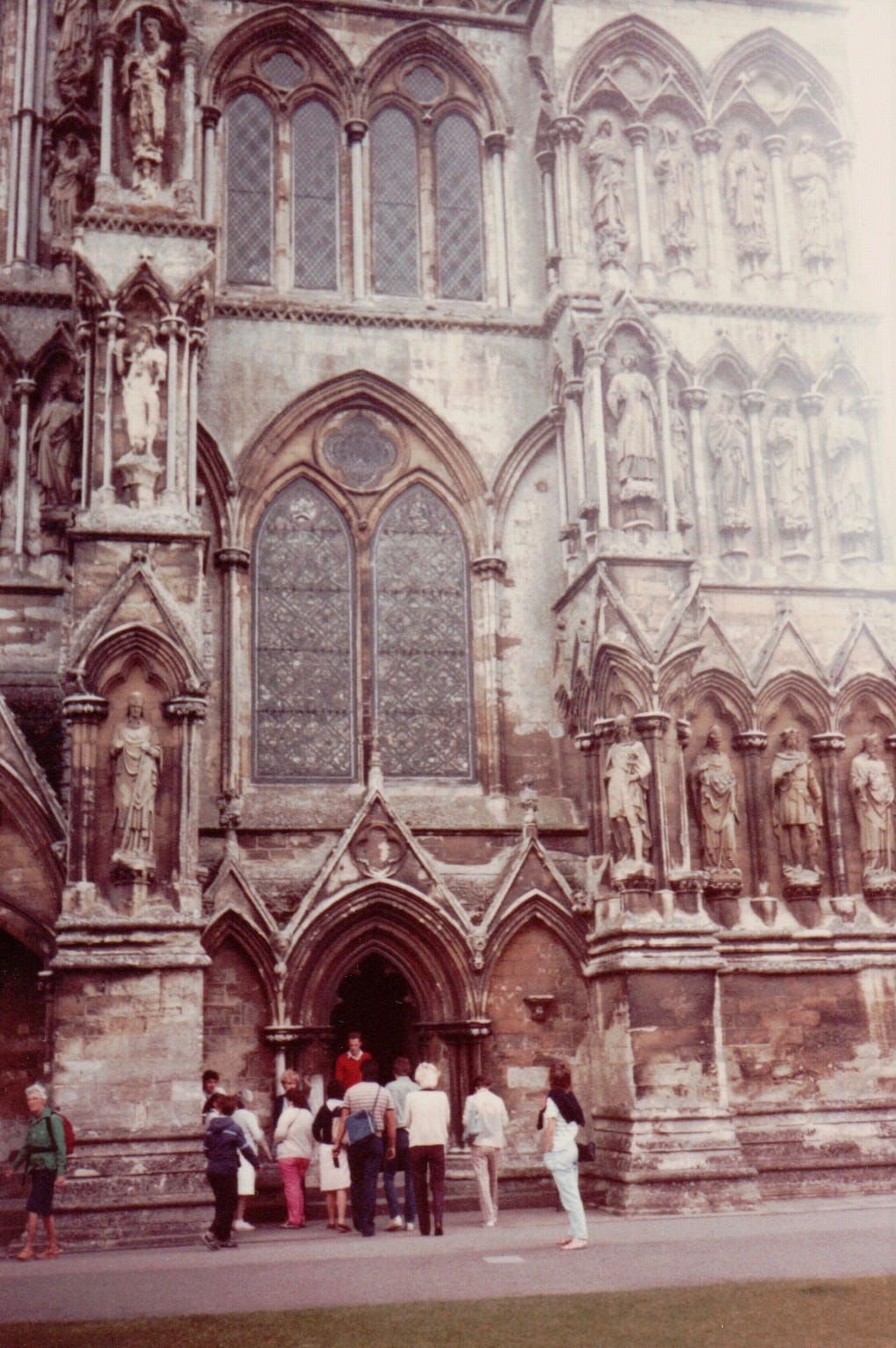
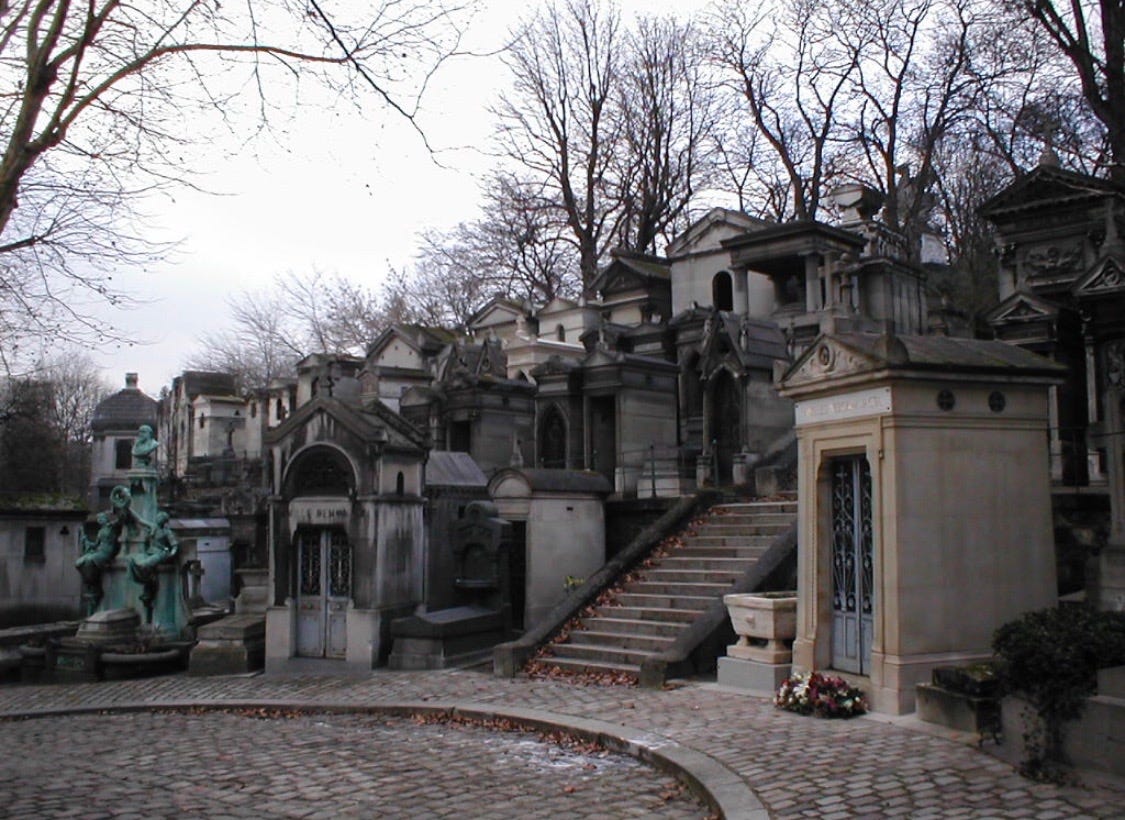
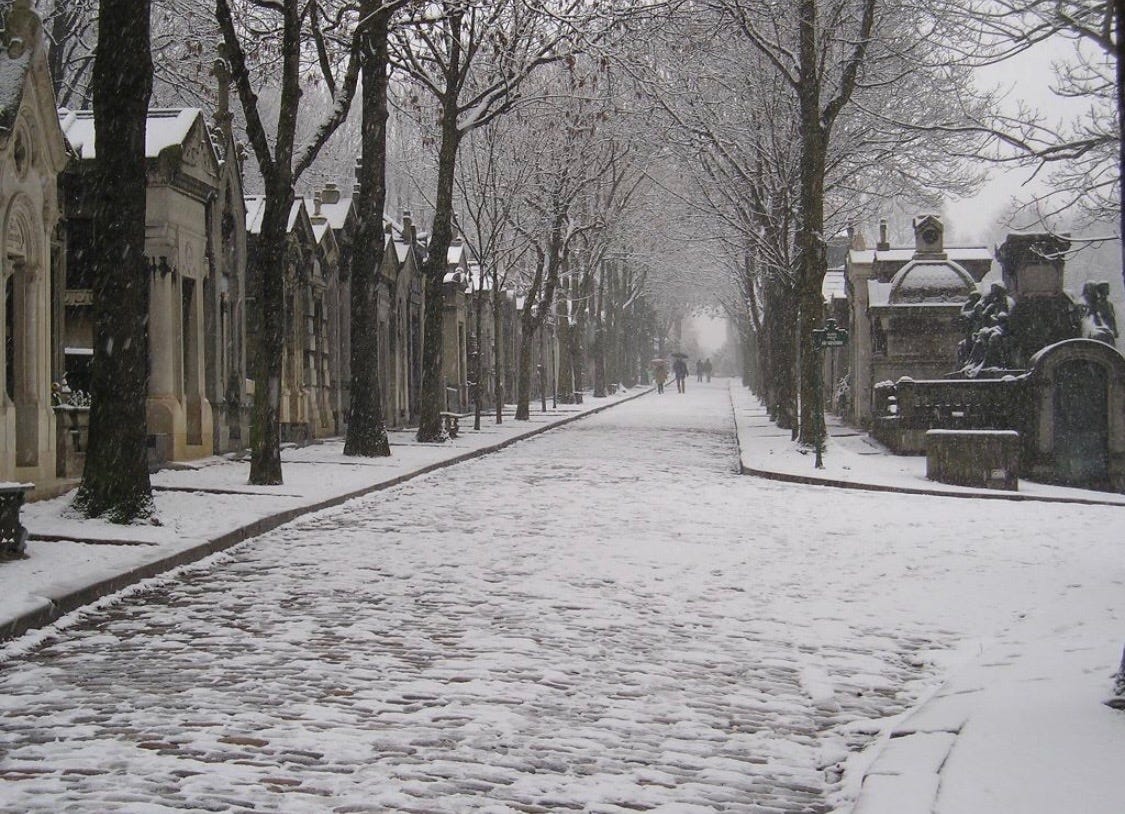
Walking through cold, damp European cathedrals as a teenager, I became intrigued that hundreds of years ago, people were buried in the floors, in the walls, and in the crypts of these magnificent structures. Chartres, Reims, and Notre Dame in France. Salisbury and St Paul’s in England. All of these cathedrals with their beauty and glorious worship fascinated me because of their dead. Not the physical bodies inside those graves, but who were they? Did they mean anything to the people walking over them all day? In my 20’s, I visited Père Lachaise Cemetery in Paris. (If you’ve never heard of it, do a google search….it’s extraordinary! Yes, I said extraordinary in reference to a cemetery) We traveled the well trodden route through the cemetery to Jim Morrison’s grave. It was like walking through a city filled with half-size marble houses. Some multi-stories, most unique. Almost festive. Tall shade trees lined the hilly paths. Yes, only I could make a travel brochure featuring a cemetery.
My pre-digital photography is sorely lacking….and darn if my teenage self didn’t obey the no photos inside the cathedral rule. Pere Lachaise photos are compliments of FindAGrave.com as mine didn’t do it justice.
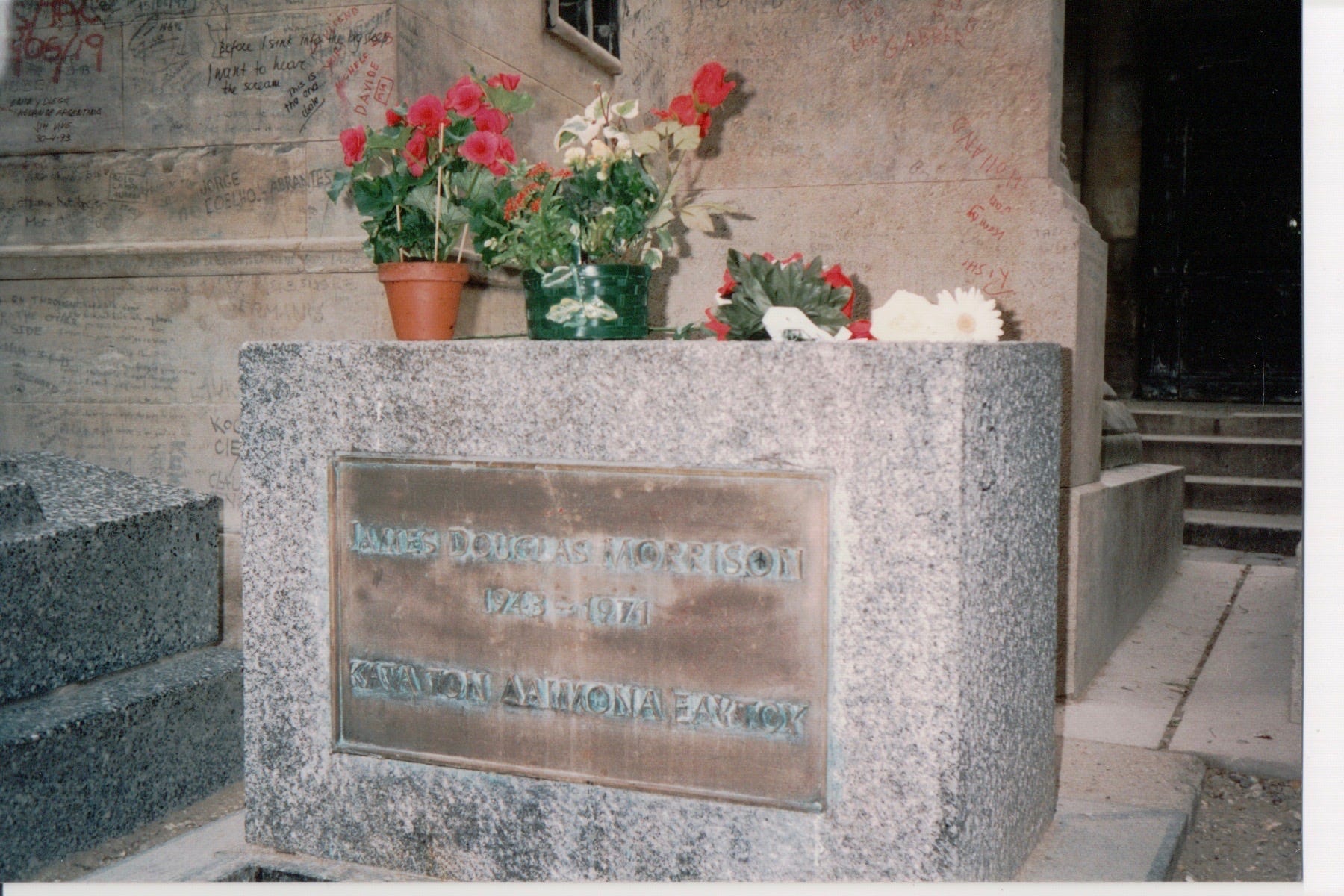
Ok, here’s the thing. I love cemeteries. My near giddiness at the mention or sight of a cemetery brings sideways glances, raised eyebrows, “that’s creepy”, “really?” and the like from those who are not privy to my obsession. No, I do not have conversations with dead people (ok, maybe I talk to them, but they don’t talk back!). No seances or ghost watches. Perhaps it’s the introvert in me, being amongst a crowd and not having to converse, my husband would say. Cemeteries are a meer resting place for people’s earthly remains as well as being a place for the living to remember someone’s existence.
Emotions understandably make cemeteries an uneasy place for many. Modern cemeteries, especially the ones with flush, lawn level markers, for some reason do not have the same calling to me as older ones. Even from the road some modern cemeteries feel saturated in emotion. The loss is new and fresh. The history is there but it’s raw and harder to see, perhaps not ready to be explored.
Older cemeteries are different. In one sense they are one giant genealogical reference guide. But they also can help you figure out a person’s life story.
Husband/wife, parent/child, siblings, grandparents, aunt/uncles……historically families were buried together. After WW2, families became more mobile and in many cases only husbands and wives are found together. My husband’s great grandparents were buried three states away from each other, more than 500 miles apart. His great grandfather died in 1926 in Hancock, Minnesota. From what I can tell, his great grandmother then moved to live with her daughter in Elgin, Illinois. She died in 1942 and is buried in Elgin. I can only surmise that cost was a factor in 1942, in not keeping Great Grandma Eliza and Great Grandpa George side by side for eternity.
Records of births and deaths are hit or miss prior to 1920. Some states established record keeping systems earlier than others. Church record keeping varied from place to place. If a child was born and died between census enumerations, there may be no official record of their existence. Luck may be in your favor in some cemeteries if a stone bearing information about a young child exists. Other times one can only surmise a child died young from a stone marked infant or when smaller grave markings next to a married couple are found.
Sometimes a cemetery can solve a mystery, sometimes it can thicken the plot. My fellow genealogist, Susan’s great grandfather has two death certificates from different counties (not neighboring). Both state that he is buried in the Rockingham County Home cemetery, not in his home county. She continues to delve into why/how he ended up in the County Home cemetery when the rest of his family was still in his home county. Unfortunately some things may never be known.
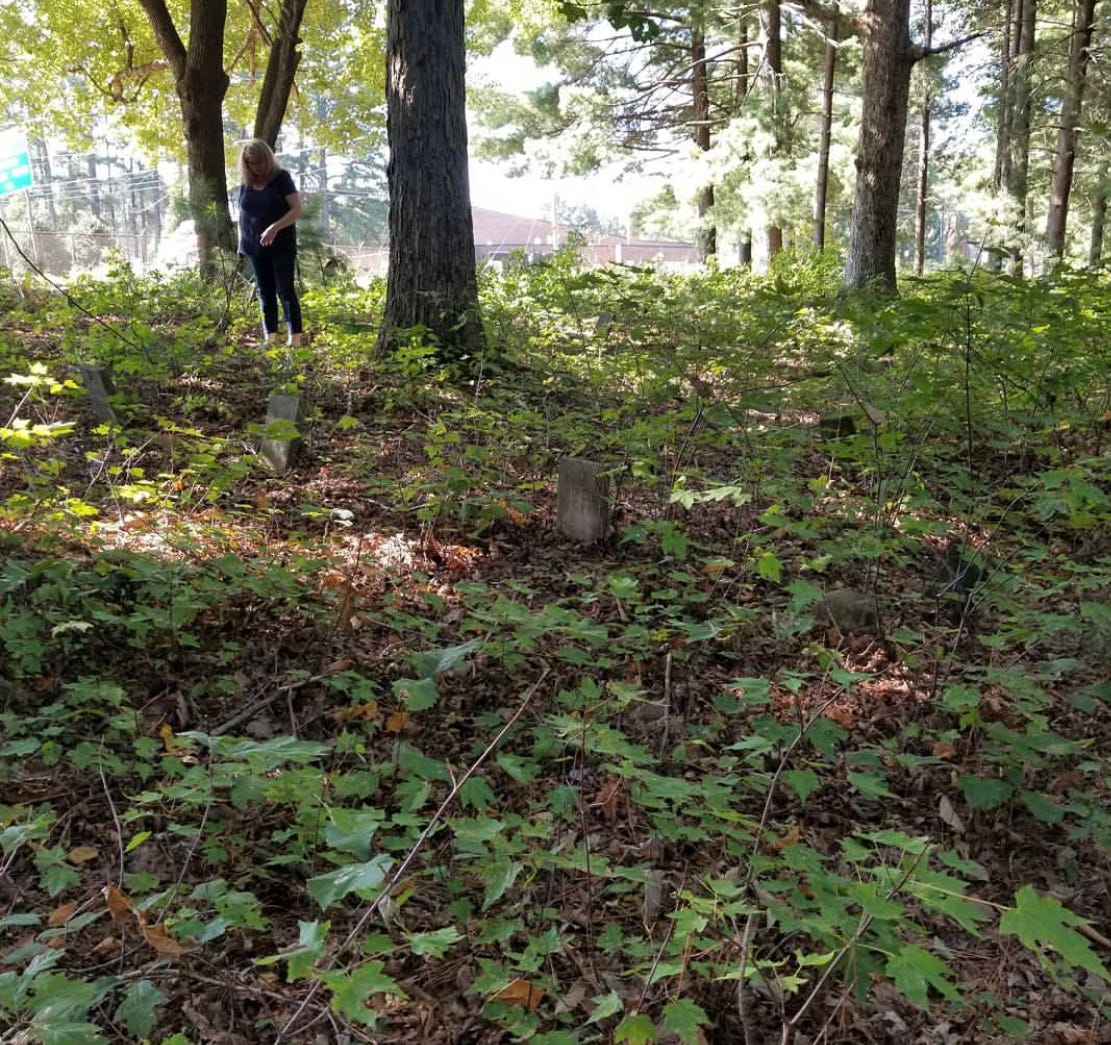
Passing time can be unkind to cemeteries. Many Southern families buried their dead in the “family cemetery” behind the homestead. Some with only a rock for a marker. Mother Nature has devoured those graves. My Dickens progenitors rest just behind a grove of trees which most likely was their homestead. For over 100 years, they have been situated in the middle of a field. Farm land that’s been in my family for generations, keeping them safe and sound. No growing forest to consume them. Back in the 1980’s, forward thinking cousins replaced the weathering headstones of my great and great great grandparents. The remaining gravestones are deteriorating and will one day become illegible. Etchings, photographs and findagrave.com will keep a record of their existence.
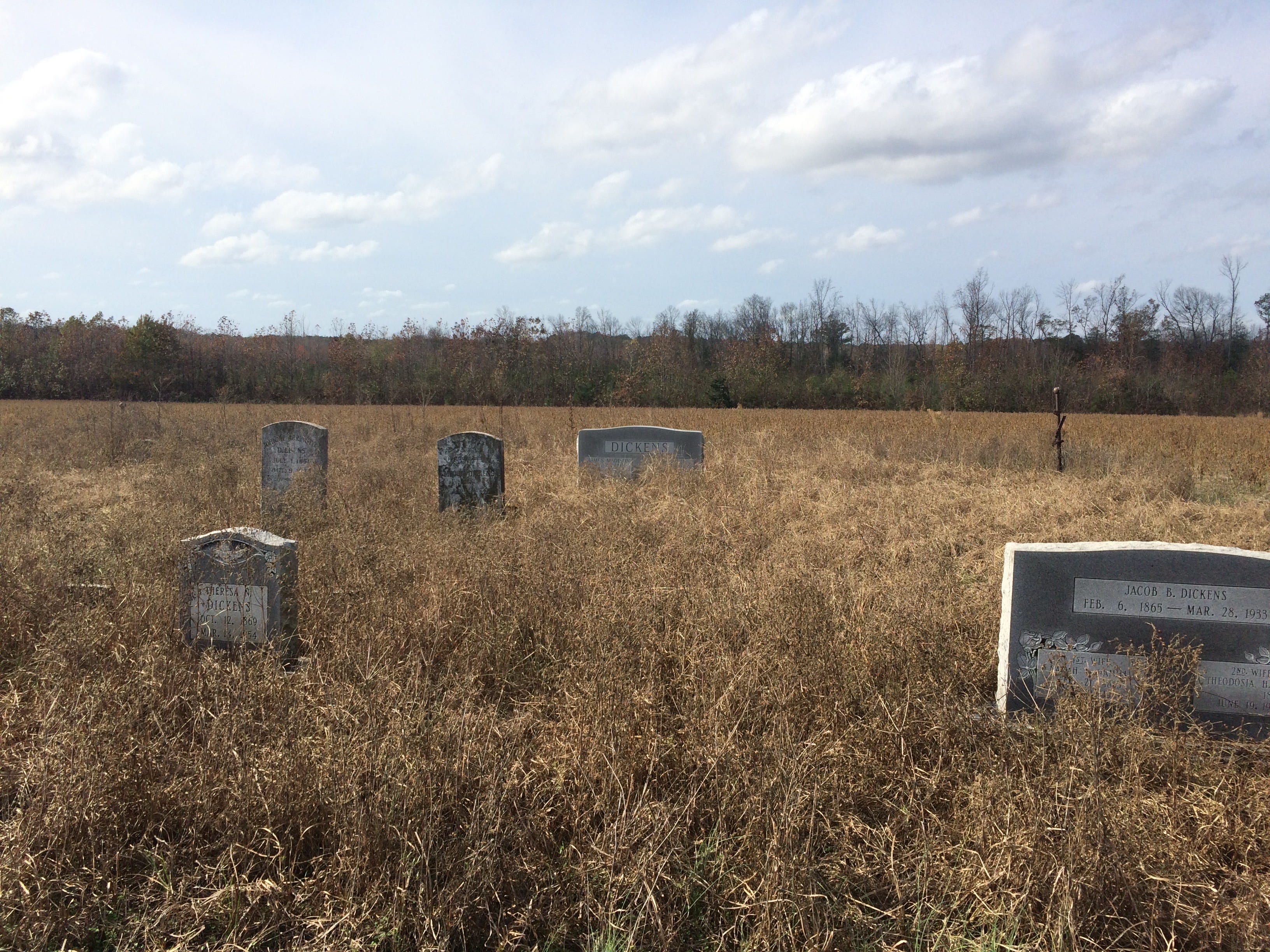
My intrigue with cemeteries really comes down to the existence of the person. Who were they? What joys and hardships did they face? Did they have a family? What was life liked when they lived? Cemeteries really aren’t so bad when the emotion is gone and you look at them from a historical/social perspective. My family and friends humor me. They send me pictures of cemeteries and go out of their way to make “visits” with me. ……Lotta dead people still to find…..
I love cemeteries! They are my favorite thing! Before the Internet, they were the best and easiest way to get genealogical info.
Too many of my ancestors buried each other in family plots on their own land. Now disappeared.