
PSA for those old North Carolina cemeteries

I have always marveled at how well-organized the burial information for my husband’s Midwest ancestors is in our family tree. Most of his family immigrated and settled in Iowa and Illinois in the mid to late 1800s. They are buried in church graveyards and municipal cemeteries. I can find them, visit them, and take photos of their headstones.
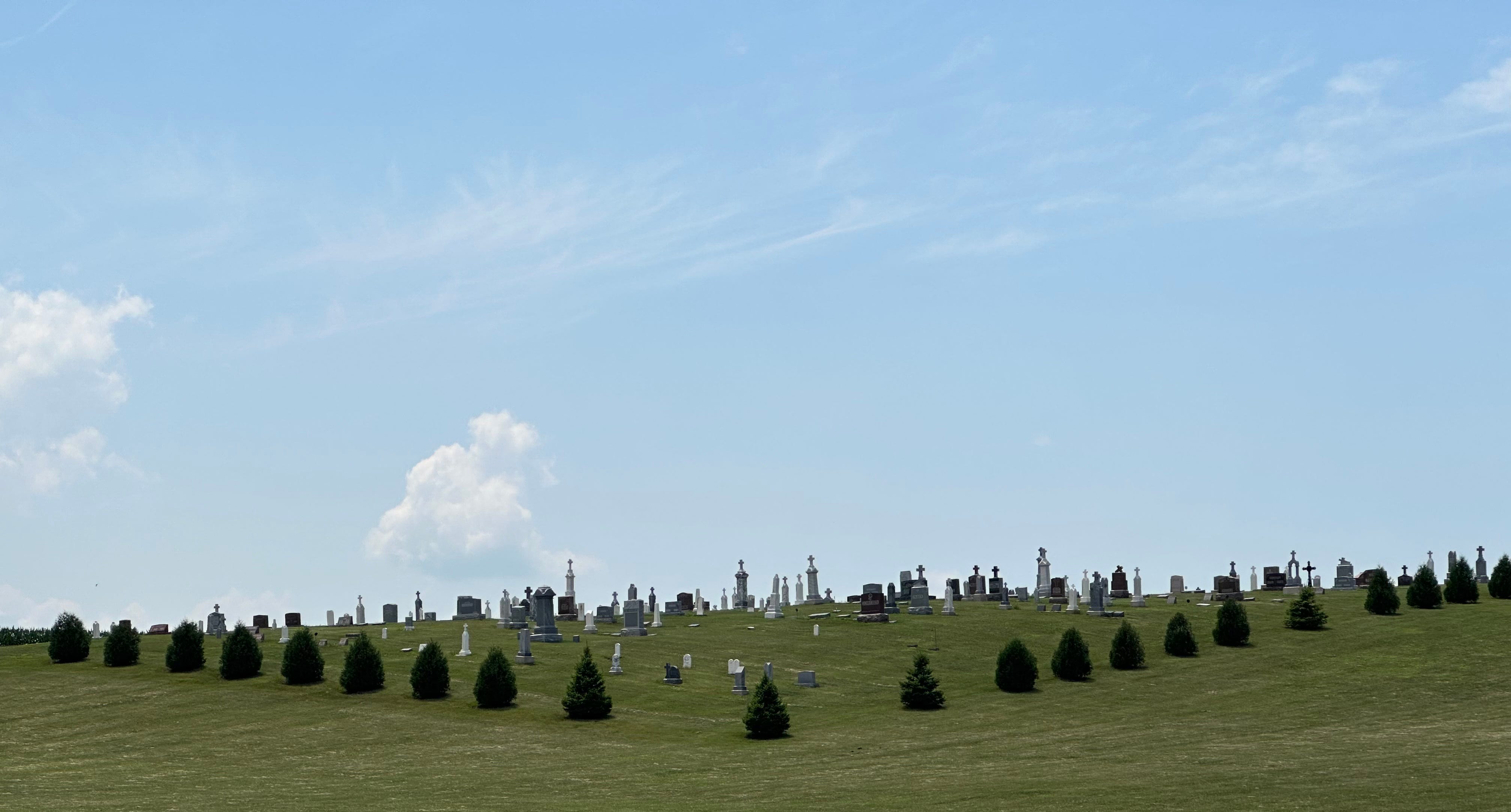
Why is that so marvelous to me?
Well, my ancestors set foot on what is now American soil more than 100 years before my husband’s ancestors. They settled in Virginia, North Carolina, South Carolina, and Georgia. Research shows that some branches of my tree migrated and stayed put in an area, while others kept moving. Births and deaths are sometimes documented. Other times, only a guess can be made because a name appears or disappears. Yes, church graveyards and municipal cemeteries existed, but my folks were not town or city dwellers. They were landowners and farmers, and most had, as people at that time and place did, a family plot on the farm. Some of these plots have well-marked headstones. But even some of those are tucked way back in overgrown wooded areas. For some, I have obituaries stating they were buried in the family burial ground. But where is that? And even if I know, I might not recognize the simple stone used as a marker.
I am fortunate, along with some other relatives, to have inherited family land in Halifax County, North Carolina. This is the county where my paternal roots run deep. The land is where my 2x great-grandparents, James Madison and Minerva Dickens, settled with their family. My grandmother and my father were born there. Today, amid farmland, the family burial plot remains. 13, possibly 14, of my Dickens ancestors were laid to rest there between the 1890s and 1950s. James and Minerva are buried there.
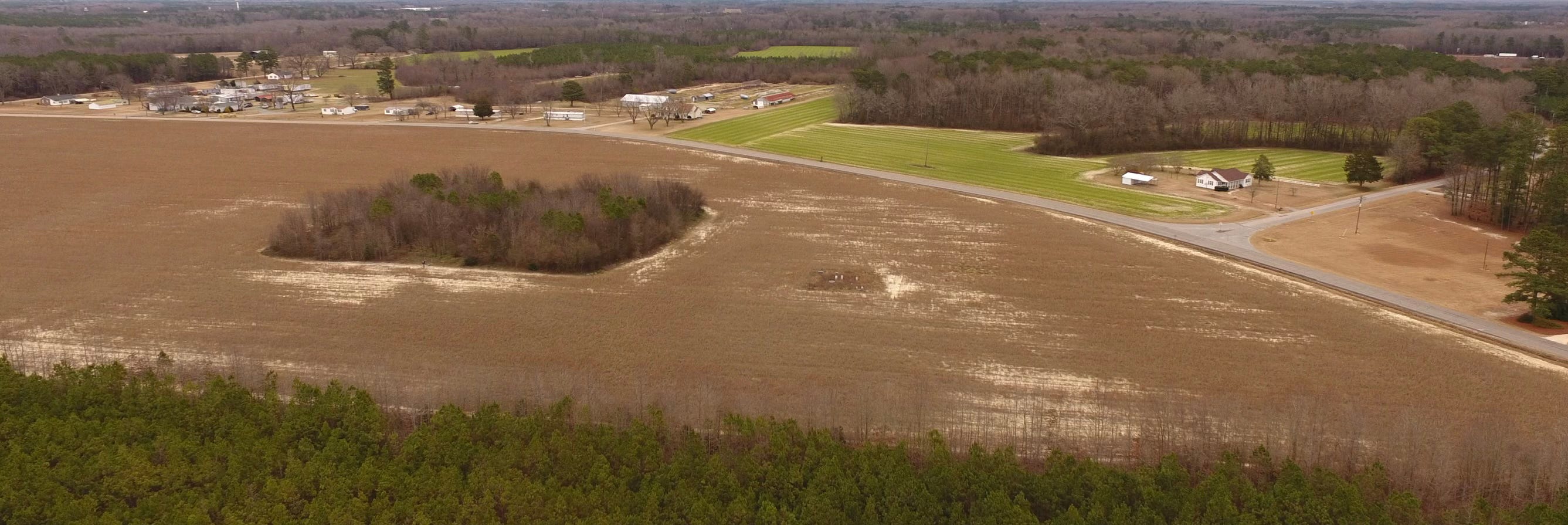
I have always felt a sense of custodianship toward that little, elevated, sandy midfield plot. Present-day farming encases it in midsummer. In October of last year, I came across an NC Historic Cemetery Preservation Webinar presented by the State Library of North Carolina. (Link below) Melissa Timo from the Office of State Archaeology is the State Cemetery Specialist. She has a really cool job! In short, any cemetery over 50 years old is considered historic and can be added to the historic cemetery registry. Ding Ding! This was how I could take care of the Dickens Family Cemetery by making sure it was known. She stated that creating a robust paper trail is important for small, rural cemeteries. Families move. Those with knowledge die. As with our cemetery, none of us who own the land live in the county. We need to ensure our ancestors’ resting place is well documented and develop a plan for its maintenance.
I have taken the first step in the process by completing the registry paperwork. I also went a little above and beyond, researching the land and those buried there, and backed it up with Evidence Explained GPS citations. As Melissa said, online cemetery registries such as Find A Grave are a wonderful resource, but because they are volunteer-driven, the accuracy of the information is not always reliable. Thus, there is a need for well-documented research. Now to figure out a plan moving forward. Something as simple as weed control in the middle of a farmed field. And other such things…
So, my Public Service Announcement for anyone in North Carolina who has or knows of a cemetery more than 50 years old, check with NC Office of State Archealogy Historic Cemetery program to see if the cemetery is on the registry. And watch the webinar.
https://archaeology.ncdcr.gov/programs/cemeteries
Thank you for this article! My family's home is in Person County, NC. That is the burial plot of my great grandparents and 2nd great grandparents. Twenty-five members of my family in all, including babies who died. I wish I owned the home to make sure the cemetery is preserved. I hope the family member who does own it will make sure it is cared for.
Very interesting! My family is also from rural North Carolina, many buried in family plots in fields